There are coffees you drink, and then there are coffees you experience. And Bosnian coffee firmly belongs in the second category. If you’ve only known quick espresso shots or takeaway lattes, this one will completely change how you think about coffee. Because in Bosnia, coffee is about time, ritual, conversation, and yes, even cigarettes.
At first, Bosnian coffee looks a lot like Turkish coffee. And that’s not surprising, because coffee culture in Bosnia dates back to the Ottoman era. But don’t make the mistake of calling them the same. In fact, if you order “Turkish coffee” in Zaragoza, you might gently be corrected. Bosnian coffee has its own identity, rituals, and personality.
The preparation itself already sets the tone. Water is boiled first in a traditional copper pot called a džezva. Next, finely ground coffee is added. It’s heated again until a thick foam forms on top. Sometimes, this is repeated to build wealth. Finally, it’s left to rest so the grounds settle at the bottom. Unlike Turkish coffee, sugar is not added during brewing. The coffee is served strong, bold, and unapologetically bitter, exactly how it’s meant to be.
Sattu Is Luke Coutinho’s Favorite Summer Drink, See His Buttermilk Recipe
If the sound of ‘bitter’ and ‘no sugar’ scares you away, worry not. Instead of stirring sugar into the cup, Bosnians do something far more ritualistic. The coffee is served with sugar cubes on the side. Before you sip on the coffee, take a tiny bite from a cube, place the sugar under your tongue, and let it melt away as you drink.
Photo: Pexels
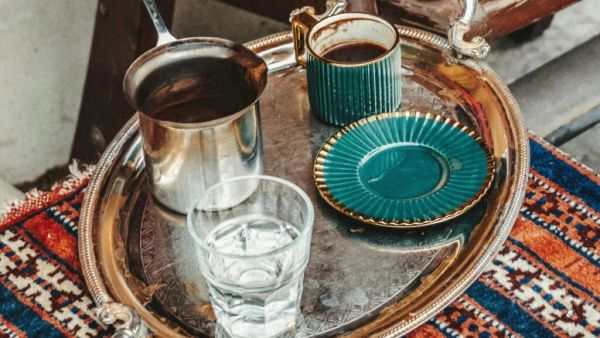
Bosnian coffee isn’t served simply, it makes an entrance. A copper džezva with the coffee inside, a small ceramic cup called a fildžan, a sugar dish (šećerluk), a glass of water, and often, a piece of Turkish delight come together on a tray. As you pour it into the cup, don’t stir because the grounds must stay settled at the bottom.
How To Make Gujarati Kathiyawadi Sev Tamatar Ki Sabji In Just 15 Minutes
Sometimes, you may find an extra (but intentional) element on the tray: cigarettes. In traditional cafes, especially in Bosnia, your coffee sometimes comes with a cigarette and a matchstick. This is part of a cultural ritual known as cejf. It’s about sitting back, sipping slowly, smoking if you choose, and letting time stretch. Bosnian coffee is meant to be shared, sipped slowly, and enjoyed over long conversations. Honestly, it’s the exact opposite of “coffee to go” we’re so used to.
These coffee variants may look similar, but they are very different when it comes to brewing method, sweetness, flavor profile, serving style, and even the overall experience. Bosnian coffee is lighter and smoother but also bitter, with sugar served on the side. Turkish coffee, on the other hand, is stronger and darker and sweetened while brewing. Drinking Bosnian coffee is an elaborate affair with many elements on the table. While still traditional, Turkish coffee is more straightforward.
If you love coffee, Bosnian coffee is something you need to experience at least once.