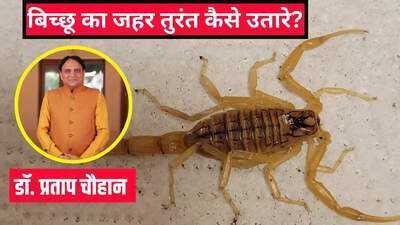
What to do if stung by a scorpion: It is commonly believed that scorpion stings are a risk only in rural or mountainous areas, but such incidents are increasingly reported in urban settings as well. This is particularly true during the rainy season when insects become more prevalent around homes.
Let’s explore expert recommendations on how to respond if someone is stung by a scorpion, how to quickly alleviate the venom, and what mistakes to avoid during this situation.
Expert Insights:
In a recent discussion with a media outlet, Dr. Pratap Chauhan, Director of Jiva Ayurveda and a senior Ayurvedic practitioner, explained that while scorpion venom is not typically fatal, it can cause symptoms such as burning, swelling, intense pain, and sometimes difficulty breathing. Therefore, it is crucial to take immediate and appropriate actions after a sting to prevent the venom from spreading and to achieve relief quickly.
Initial Steps to Take:
Important Considerations:
According to Dr. Chauhan, if symptoms such as high fever, vomiting, or breathing difficulties occur after a sting, do not hesitate to seek medical attention immediately.
Common Mistakes to Avoid:
Many people panic after a scorpion sting and resort to remedies like exorcism or applying hot rods, which can worsen the situation. Attempting to suck out the venom can also be dangerous. Dr. Chauhan emphasizes avoiding such home remedies and instead seeking proper Ayurvedic assistance along with expert advice.
If you find yourself stung by a scorpion, remain calm and act wisely. Ayurveda offers various remedies that can alleviate initial symptoms, but in severe cases, medical help is essential. The right information and vigilance are the most effective treatments for venom.
Disclaimer: This content is intended for general informational purposes only and is not a substitute for professional medical advice. Always consult a qualified healthcare provider for any medical concerns.