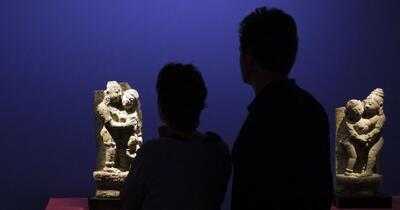
We often assume, when it comes to sex, that women’s voices have only been taken seriously in relatively recent history. However, female sexual power and liberation can be found in the Kamasutra, which dates back to the 3rd century.
You can be forgiven for thinking that the Kamasutra isn’t an empowering or forward-thinking text, based on what you likely know and assume about it. But this idea is based on a colonial era misunderstanding that has been carried on and projected through popular culture representations of the “sex guide”. The man responsible for this misunderstanding is Richard Francis Burton who translated the text into English in 1883. This “translation”, however, was not a faithful one but more of an interpretation crafted through a decidedly narrow, male-centred lens.
In my research, however, I have discovered a very different text – one which could be seen even been seen as feminist by modern standards. The original text from the third century attributed to the philosopher Vatsyayana, and more recent translations and interpretations, present women as active, articulate participants in desire.
Far from a simple sex manual, it treats consent as central to sexual freedom, emphasising mutuality, enthusiasm and the right to refuse. Indian scholar Kumkum Roy describes how...
Read more