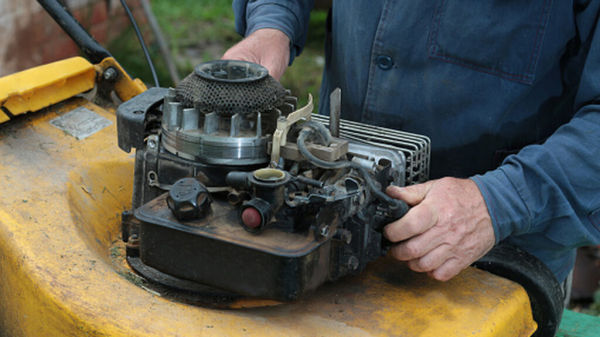
The arrival of spring means that many homeowners are heading back outside to take care of their yard. But unless your lawn mower is brand new, you might be wondering how much life it has left before you’ll need to replace the engine or the entire mower. The answer to the question can vary, based on the type of mower you’re using, and there is no single standardized lifespan across all manufacturers.
Some sources expect a gas-powered residential push mower engine to last anywhere from 450 to 1,500 hours, depending on the brand; this can equate to 10 years or more. Gas-powered riding lawn mowers can last anywhere from 5 to 9 years, or 500 to 1,500 hours — again, depending on the model. Electric lawn mowers can last anywhere from 5 to 7 years, but the Lithium-ion batteries they use can last longer, potentially 7 to 10 years.
Commercial gas-powered lawn mower engines are different because those mowers are built to be more durable than their residential counterparts. That’s because they typically cover larger areas and have to handle more challenging conditions. So in terms of hours, these mowers can last from 1,200 up to 2,500 hours, or more, depending on the brand. That can work out to anywhere from 8 to 12 years.
How to get the most life out of your lawn mower engine
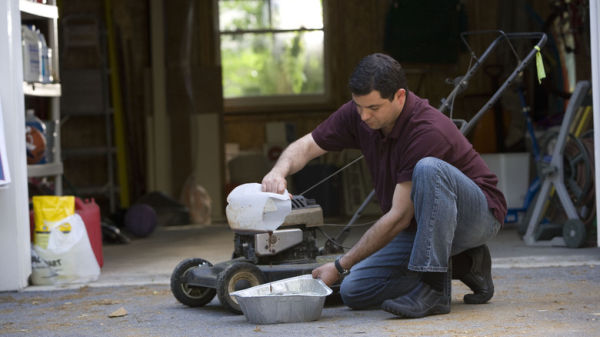
There are ways to ensure your mower engine lasts as long as possible, and it begins with regular maintenance. This includes keeping the blades sharp, so the engine isn’t forced to work harder than necessary. Keeping the deck clean also plays a part, because grass build-up can restrict airflow and put more strain on your engine. For gas-powered mowers, routine oil changes are important, as is regular maintenance of the engine and fuel system.
Electric lawn mowers require proper care as well, though they are a bit different from gas mowers. Cords, connections, and especially the battery system, are all important components and must be regularly maintained to ensure maximum life. This means cleaning the battery, charging it as needed, and keeping it in a cool, dry place when not in use.
Proper storage is equally important, and that means keeping it in a dry location that protects the mower from rain, snow, humidity, or direct sunlight. A garage, shed, or other well-ventilated and enclosed space can be ideal. If you don’t have such a space and can only keep your mower outside, you should protect it with a waterproof tarp, although that should only be a temporary solution until you’re able to store it in a better location.