The UAE’s Net Zero 2050 strategy has already changed how businesses think about energy, infrastructure and investment. The next shift will be in how organisations manage technology itself.
As companies deploy more AI-enabled devices, expand digital operations and support hybrid workforces, questions around device lifespan, energy use and e-waste are becoming harder to ignore.
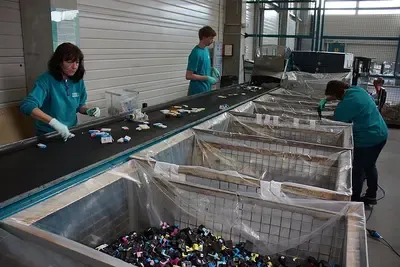
This is shifting the conversation beyond technology adoption alone. Businesses are paying closer attention to how devices are repaired, reused, refurbished and recycled over time, not only to reduce waste, but also to manage costs and improve asset utilization.
At HP, sustainability has been part of the company’s DNA for more than 80 years. Today, that focus is increasingly practical: extending product lifecycles, improving repairability and expanding recycling and recovery programs. HP has reduced single use plastic packaging by 75 per cent compared to 2018, and nearly one third of the plastic used across its portfolio now comes from post-consumer recycled content.
In the UAE, circularity is also becoming more closely linked to business performance. Organisations are looking at how technology decisions affect operational efficiency. Businesses are under pressure to manage costs more carefully, reduce unnecessary device replacement and make better use of existing technology. Circular technology models can help address these issues in practical ways while also supporting broader sustainability goals.
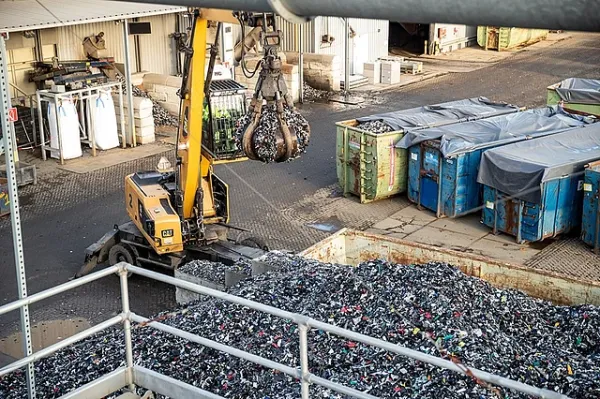
Programmes such as HP Planet Partners are designed around that approach, helping organisations securely return used devices and supplies for refurbishment or recycling. HP has also worked with organisations in the UAE on low carbon IT strategies focused on extending device lifecycles, improving energy efficiency and strengthening responsible e-waste handling practices.
Encouragingly, participation in these initiatives continues to grow. Across the UAE, increasing returns through recycling and recovery programs are being matched by greater awareness of sustainability considerations such as recyclability, recycled content and product carbon footprints. This reflects a broader shift toward more informed technology decisions, where sustainability is becoming part of the value equation alongside performance, cost and productivity.
These initiatives are not only supporting sustainability goals. They are also helping organisations improve operational efficiency, strengthen lifecycle management and reduce unnecessary replacement cycles. In many cases, organisations are finding that sustainability measures also lead to better asset utilisation and lower maintenance requirements over time.
Partnerships are central to making this work.
In the UAE, HP is working closely with several local partners, schools and organisations to support more practical approaches to sustainability. Through initiatives focused on device reuse, responsible recycling, lifecycle management and partner education, the goal is not only to reduce waste, but also to make better use of technology.
Programmes such as HP Amplify Impact are also helping partners integrate sustainability more directly into business operations and customer conversations. Across the channel ecosystem, sustainability is becoming part of how organisations think about procurement, technology investments and operational efficiency.
Encouragingly, participation in these initiatives continues to grow. Across the UAE, increasing returns through recycling and recovery programmes are being matched by greater awareness of sustainability considerations such as recyclability, recycled content and product carbon footprints. This reflects a broader shift toward more informed technology decisions, where sustainability is becoming part of the value equation alongside performance, cost and productivity.
AI will make these conversations even more important.
AI is increasing demand for computing power, devices and data processing. That makes efficiency more important, particularly as organisations try to balance productivity goals with energy and resource use. The answer is not slowing technology adoption. It is managing technology more carefully from the start.
That includes designing products with recycled materials, improving repairability, reducing packaging waste and helping customers use devices for longer. Today, nearly half of the materials used in HP products and packaging are reused, recycled or renewable, reflecting the growing role circular design plays in product development.
What is changing is not only how organisations buy technology, but how they think about its long-term value. Increasingly, conversations are extending beyond performance alone to include lifecycle management, responsible disposal and opportunities to keep materials in use for longer.
The UAE has already created strong momentum around this shift. The country’s approach to growth has consistently balanced innovation, investment and long-term planning. As businesses continue investing in AI, digital services and workplace technology, circular models will become increasingly important to reducing waste, improving efficiency and supporting sustainability goals over time.
At HP, we believe progress on circularity depends on practical collaboration across the technology ecosystem. Through our programmes such as Planet Partners and Amplify Impact, and through ongoing collaboration with customers and partners across the UAE, the focus is on helping organisations make more sustainable technology decisions day to day.
Smarter technology alone will not reduce waste or lower resource use. Organisations also need better lifecycle management, stronger recovery systems and longer use of existing devices.
Circular technology is becoming an important part of how businesses in the UAE think about the future and HP is committed to helping support that transition.
Lavina Punjabi is sustainability lead for the Middle East and Africa (MEA) at HP Inc.