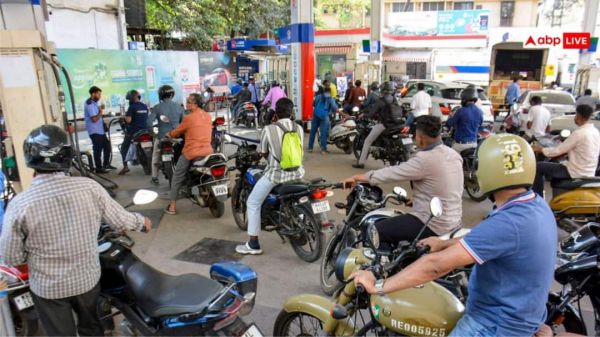
India has sought to reassure consumers over fuel availability following the announcement of a preliminary peace agreement between the United States and Iran. The deal, which is expected to be formally signed in Switzerland on June 19, has raised hopes of easing tensions in West Asia and restoring normal energy supply chains. As global markets reacted positively to the development, India’s Petroleum and Natural Gas Ministry stated that there was no shortage of petrol, diesel or LPG in the country and that adequate stocks were being maintained despite heightened demand at some retail outlets.
Sujata Sharma, Joint Secretary in the Ministry of Petroleum and Natural Gas, said supplies of petrol, diesel and LPG remained stable across the country.
She noted that Indian refineries were operating at full capacity and sufficient crude oil inventories were being maintained. According to the ministry, higher-than-normal sales at some fuel stations were largely due to industrial, institutional and commercial consumers purchasing fuel through retail outlets, leading to a temporary rise in demand.
The government’s assurance comes amid concerns that months of conflict in West Asia had disrupted global energy flows and increased volatility in oil markets.
Iran Calls Turkey, Iraq And Egypt; Reveals Conditions Put Before Trump
The 107-day conflict significantly affected energy markets, pushing crude oil prices above $100 per barrel and raising fears of a broader regional confrontation.
The economic impact was also visible in India’s trade figures. Exports fell 7.44 per cent in March to $38.92 billion, marking the sharpest decline in five months. Imports from Gulf nations also dropped sharply during the period.
Despite the disruption, trade between India and Gulf Cooperation Council (GCC) countries remained substantial. The United Arab Emirates continued to be one of India’s largest trading partners, while Saudi Arabia, Qatar, Oman, Kuwait and Bahrain remained key contributors to bilateral trade.
With the prospect of peace and the reopening of the Strait of Hormuz, policymakers and businesses are now hoping for lower energy costs, improved trade flows and greater economic stability in the months ahead.
'Trump's Agreement Does Not Bind Us': Israel Rejects US-Iran Peace Deal