The US Federal Reserve did not make any changes in interest rates on Wednesday. He decided to wait for clear signals about inflation. In fact, due to the new war related to Iran, there is pressure on oil prices and there is uncertainty over the future of the world's largest economy.
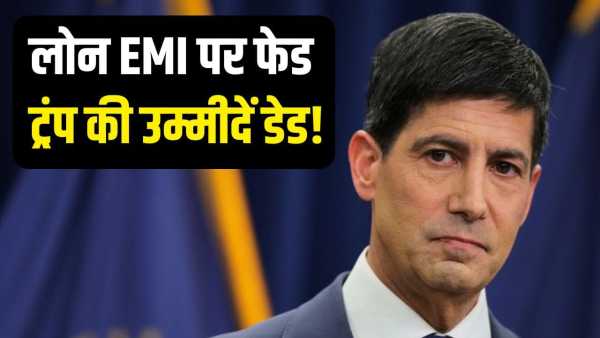
The Federal Open Market Committee, as expected, kept the benchmark rate between 3.5 percent and 3.75 percent. This decision was taken after a two-day meeting and after this Fed Chairman Kevin Worsh held a press conference. This was his second policy meeting after taking over the work of the Central Bank.
This decision has come at a difficult time for the US Central Bank. Inflation has come down from its previous high level, but still remains above the Fed's long-term target of 2 percent. Consumer prices rose 3.5 percent year-on-year last month, and investors worry that fluctuations in oil prices linked to the Iran dispute could stoke inflation again.
There was two-way pressure on the Fed. The markets were waiting for another sign of interest rate hike as inflation is still above the target. Also, President Donald Trump has repeatedly asked the Central Bank to reduce the cost of taking loans.
Warsh has said that the Fed is focusing on maintaining stability in prices. With the unemployment rate remaining stable at around 4.2 percent, policymakers have made it clear that inflation is a bigger concern.
At the Fed's last meeting, half of policymakers said they expected to raise interest rates at least once before the end of the year. Due to this, investors were cautious about the possibility of this happening this week. According to CME's FedWatch tool, before the decision the market was expecting more than a 30 percent chance of an immediate interest rate hike. However, the Fed decided not to make any changes for now, but left room for action in the future.
Matthew Ryan, head of markets strategy at Ebury, said recent inflation reports have been weak, while the labor market is in a 'Goldilocks' state, making there appears to be no immediate need to raise interest rates.
The renewed fighting around Iran has increased the challenge for the Fed, because it affects oil prices. Energy prices could sharply impact transport costs, consumer inflation and inflation expectations. Oil prices got some relief from the reduction in military attacks over the weekend, while recent US data did not suggest the need for any tough action from the Fed.
On the other hand, this meeting also took place under heavy political pressure. Trump has criticized the Fed several times for not reducing interest rates. He put pressure on Warsh's predecessor Jerome Powell and also tried to remove Fed Governor Lisa Cook, although the Supreme Court blocked the move.
Warsh has insisted that he is not a puppet in Trump's hands. On Monday, Trump gave him some leeway, saying that there is a board with Warsh and he needs the consent of others. Now the challenge before the Fed is to maintain its credibility to deal with inflation and at the same time protect the economy from any unnecessary shock.