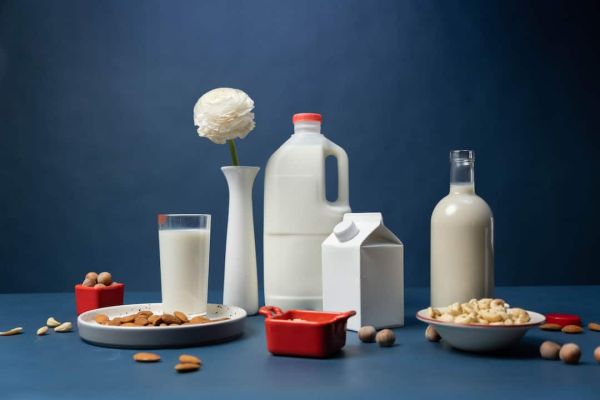
Milk is a staple in most Indian households and is used every day for tea, coffee, desserts and drinking. However, there are times when milk unexpectedly curdles while being heated. While many people immediately blame the quality of the milk, certain everyday kitchen mistakes can also contribute to the problem. From using the wrong temperature to improper storage, several factors can affect the texture and freshness of milk. Here are five common mistakes that may cause milk to curdle and some simple precautions to help prevent it.
Boiling milk over a very high flame can cause it to heat unevenly and stick to the bottom of the pan. Excessive heat can also affect the milk proteins and may lead to changes in its texture. It is better to heat milk over a low or medium flame. Stirring it occasionally can also help prevent it from sticking to the bottom of the vessel.
The cleanliness of the vessel also matters. If a pan has traces of lemon, tomato, curd or another acidic ingredient left in it, the residue can react with the milk and cause it to separate. Always wash the vessel thoroughly before using it for heating milk. Make sure there are no traces of acidic ingredients left behind.
Lemon juice, vinegar and other acidic ingredients are commonly used to curdle milk intentionally. However, adding them accidentally to hot milk can also cause it to separate. When preparing tea, coffee or other recipes, check the ingredients carefully before adding them to hot milk. If an acidic ingredient is required, follow the recipe and add it in the recommended quantity and at the appropriate stage.
Storage plays an important role in maintaining the freshness of milk. Leaving raw or opened milk at room temperature for a long time, particularly in hot weather, can encourage bacterial growth and increase its acidity. As a result, the milk may curdle when heated. Refrigerate milk promptly and avoid leaving it outside for extended periods. During warmer weather, extra care should be taken with milk storage.
Repeatedly boiling and cooling the same milk can affect its taste, texture and overall quality. Constant temperature changes may also make the milk more likely to develop an unpleasant texture. To avoid this, heat only the quantity you need. If milk is left over, cool it promptly, transfer it to a clean, covered container and refrigerate it. Reheat only the amount required when you need it again.