US: The United States has taken a significant step in its ongoing trade enforcement efforts by issuing a preliminary anti-dumping tariff ruling on specific chemical materials imported from South Korea. This move reflects broader global concerns about fair pricing, competitive balance, and the protection of domestic industries in an increasingly interconnected chemical supply chain.
The ruling was announced by the United States Department of Commerce after completing a preliminary investigation into alleged dumping practices. The probe focused on monomers and oligomers exported from South Korea to the American market. According to officials, the investigation began nearly six months ago following a formal complaint filed by a US-based chemical manufacturer that claimed Korean and Taiwanese suppliers were selling products below fair market value.
Dumping investigations are typically initiated when domestic producers argue that imported goods are underpriced in a way that harms local industries. In this case, the Department of Commerce concluded at the preliminary stage that such pricing practices may have occurred, justifying the imposition of provisional duties.
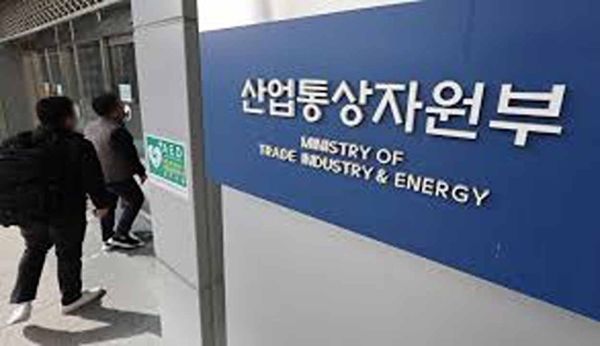
Under the preliminary decision, anti-dumping duties ranging from 10.94 percent to 65.72 percent may be applied to exports from two South Korean chemical companies. The announcement was confirmed by South Korea’s Ministry of Trade, Industry and Resources, which closely monitors international trade actions affecting Korean exporters.
While the upper limit of the proposed tariffs is substantial, it is notably lower than the margins initially claimed by the US petitioner. Earlier allegations suggested dumping margins as high as 137 percent to 188 percent. The reduced figures indicate that the preliminary findings were less severe than originally asserted, offering some relief to the Korean firms involved.
South Korean authorities have stated that they will remain in close communication with the affected companies throughout the remainder of the process. The ministry emphasized its commitment to ensuring that Korean exporters are not subjected to unfair or disproportionate treatment when the final determination is issued, which is expected in May.
Reports on the decision were widely circulated by the Yonhap News Agency, highlighting the broader implications for bilateral trade between the United States and South Korea. Chemical materials such as monomers and oligomers are key inputs in numerous manufacturing processes, including coatings, adhesives, and industrial plastics. Any increase in tariffs could influence supply chains, pricing strategies, and long-term sourcing decisions for US manufacturers.
Interestingly, the US decision comes at a time when South Korea itself has been actively pursuing anti-dumping measures. Last month, the Korea Trade Commission reached a preliminary conclusion that imports of PVC paste resin from several European countries were causing potential harm to the domestic industry.
Following its investigation, the commission announced plans to recommend anti-dumping tariffs ranging from 25.79 percent to 42.81 percent on PVC paste resin imported from Germany, France, Norway, and Sweden. The recommendation was forwarded to the Ministry of Economy and Finance, which holds the authority to implement such measures.
PVC paste resin is a finely powdered plastic material widely used in everyday consumer products. Items such as wallpaper, synthetic leather sofas, footwear, gloves, and various household goods rely on this material for durability and flexibility. Because of its broad application, any trade restrictions on PVC paste resin can have ripple effects across multiple consumer goods industries.
The Korean investigation found early indications that low-priced imports could be undercutting local producers, prompting the need for corrective trade action. This mirrors the concerns expressed by US producers in the case against Korean chemical exports, underscoring how anti-dumping tools are used globally to address similar economic pressures.
In addition to the PVC paste resin case, South Korean authorities have also launched a separate investigation into allegations that three Chinese companies sold cold-rolled carbon steel or alloy steel products below fair market value. This demonstrates a broader regional and global trend of heightened scrutiny over pricing practices in industrial materials.
As the final US ruling approaches, companies on both sides of the Pacific are closely watching the outcome. The decision will not only affect the specific exporters involved but may also influence future trade negotiations, compliance strategies, and market access conditions in the global chemical industry. For now, the preliminary ruling serves as a reminder that trade regulations remain a powerful instrument shaping international commerce.