India has significant economic and strategic stakes in the ongoing conflict in West Asia, India Trade Promotion Organization (ITPO) Chairman Javed Ashraf said, warning that the war could disrupt oil prices, trade flows and energy access.
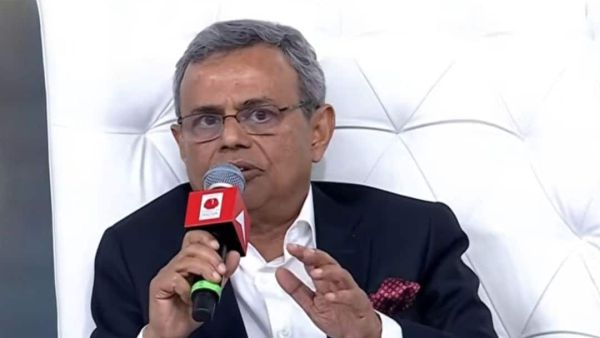
Speaking at the fifth edition of the Ideas of India, Ashraf underscored India’s geographic proximity and deep economic links with the region.
“Every war affects everyone but this is a war which is in our neighbourhood. Chabahar is just 540 nautical miles away from Kandla. We have 10 million people living in the Gulf region, our third largest source of export is the UAE, it's the main source of energy, it's of great geopolitical importance to us,” he said.
He added that India’s long-term vision includes building major connectivity projects. “We envision a future in which we will carve out and create this IMEC (India-Middle East Europe Economic Corridor). So the vision is large, our stakes are very high and our proximity is very close,” Ashraf said.
Ashraf said the scale and nature of the current conflict marked a serious escalation compared to past episodes.
“This war is not one of inoculation where you do a little pinch as in case of US-Israel attacked Iran, last year. But this time the kind of force that has been amassed and the manner in which the negotiations took place where Iran was presented with a possibility which it had to refuse, it set the grounds for the attack today,” he said.
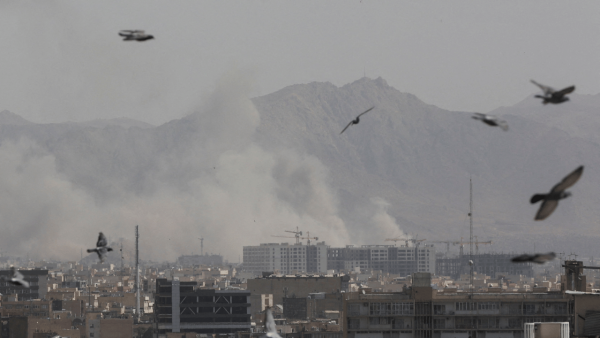
He noted that the conflict had widened beyond Israel. “As you can see today Iran is not just against Israel but it has also fired missiles at the US bases across the gulf region which would obviously have collateral damage.”
Ashraf warned that the economic fallout was already becoming visible. “We are already seeing great volatility in the world and this will add to oil prices, trade flow, energy access, everything will be effected.”
Addressing how the conflict affects India’s diplomatic positioning, Ashraf said India’s approach has been shaped by evolving ties and consistent engagement with multiple partners.
“Historically, we have 50 years of estrangement with the United States, 25 years of transformation and the last one year of turbulence in the relationship but the fundamental premise of that partnership does not change the efforts to go past some of our challenges continue,” he said.
He emphasised that India has maintained strong ties across the region.
“We have had excellent relations with the Gulf countries. Despite challenges we have had good relations with Iran and we have also maintained good relations with Israel.”
Ashraf said India’s ability to maintain ties with competing regional powers rests on a transparent and consistent diplomatic approach.
“The reason we have been able to do that is because we have not used one relationship against another. We haven't turned any one of those relationships into an instrument of geopolitics,” he said.
“We've maintained transparent, consistent approach in our relationship and each one knows that this relationship is not directed against any of those of the other two.”
He acknowledged that managing such relationships is becoming more challenging. “Managing this is difficult as geopolitical space is shrinking, but I think we will continue to do as well as we have.”