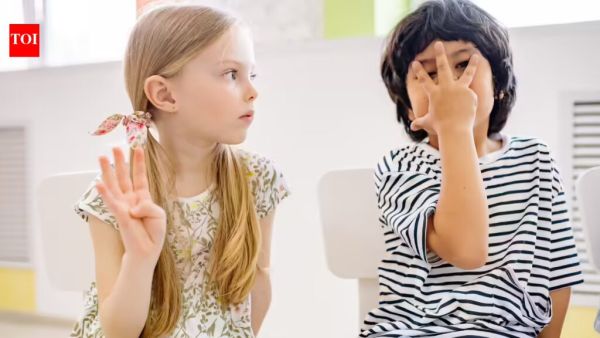
A child’s success is not determined by academics alone. The ability to communicate, connect with others, and navigate social situations plays a major role in building confidence and emotional well-being. By the age of 10, children begin forming stronger friendships, working in groups more often, and developing a greater sense of independence.
Experts believe that certain social skills learned during these early years can help children feel more confident, accepted, and comfortable in different environments. Here are four essential social skills every child should develop before turning 10.
Listening is one of the most important social skills a child can learn. Active listening involves paying attention when someone is speaking, maintaining eye contact, and responding appropriately.
Children who listen carefully are often better at making friends because others feel respected and understood. Parents can encourage this skill by having regular conversations and teaching children not to interrupt when others are talking.
Empathy is the ability to understand and share another person’s feelings. Children who develop empathy are more likely to show kindness, resolve conflicts peacefully, and build stronger relationships.
Simple activities such as discussing emotions, reading stories, and encouraging children to consider how others might feel can help strengthen this important skill.
Children need to learn how to express their thoughts, feelings, and needs in a respectful and confident manner. Effective communication helps them participate in group activities, ask questions, seek help when necessary, and handle disagreements constructively.
Giving children opportunities to share their opinions and discuss their daily experiences can help build communication skills.
Whether at school, in sports, or during family activities, children regularly interact with others in group settings. Learning how to share, take turns, compromise, and work toward a common goal helps children feel included and valued.
Team-based games and collaborative activities can provide valuable opportunities to practice cooperation and problem-solving.
Strong social skills can contribute to a child’s emotional health, self-esteem, and overall happiness. They can also support academic success by helping children participate more comfortably in classroom discussions and group projects.
Children who feel connected to others are often more confident in trying new experiences and overcoming challenges.
Teaching social skills early can have long-lasting benefits. By helping children develop active listening, empathy, communication, and teamwork skills before age 10, parents and caregivers can equip them with important tools for building confidence, forming healthy relationships, and feeling included wherever they go.
Disclaimer: Every child develops at their own pace. If you have concerns about your child’s social or emotional development, consult a qualified child development or healthcare professional.